
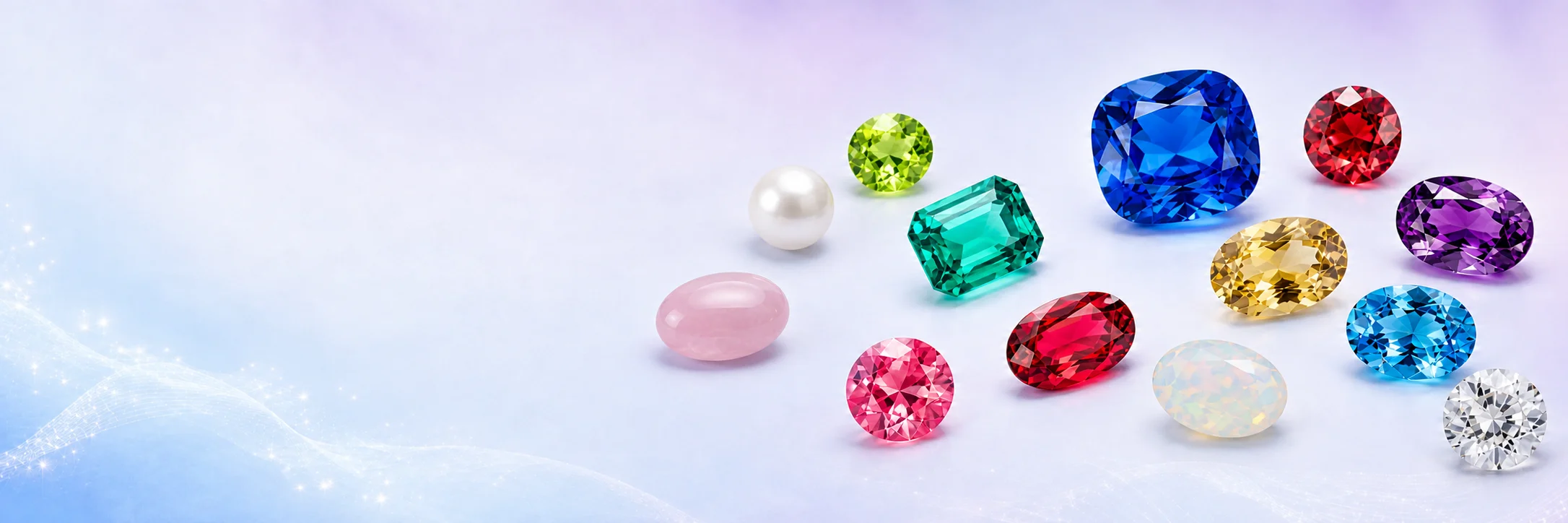
Natural
Gemstones
Discover beautiful natural gemstones selected for quality, color and elegance.
Shop Gemstones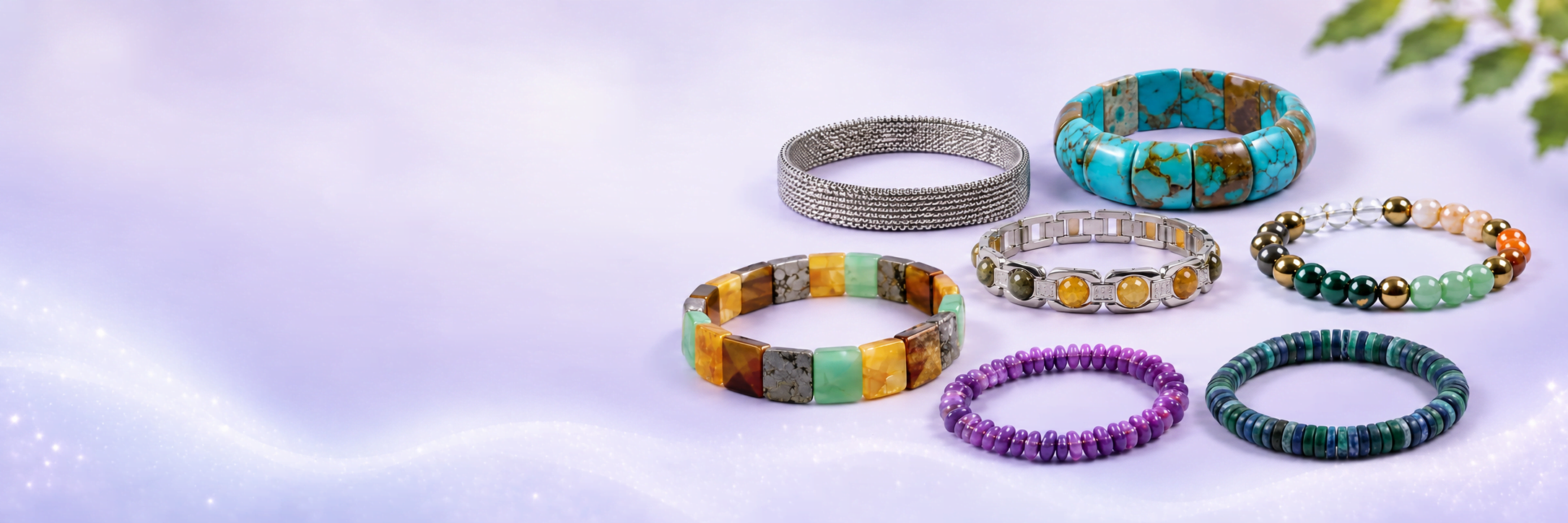
Gemstone
Bracelets
Elegant natural gemstone bracelets made for everyday style and positive energy.
Shop Bracelets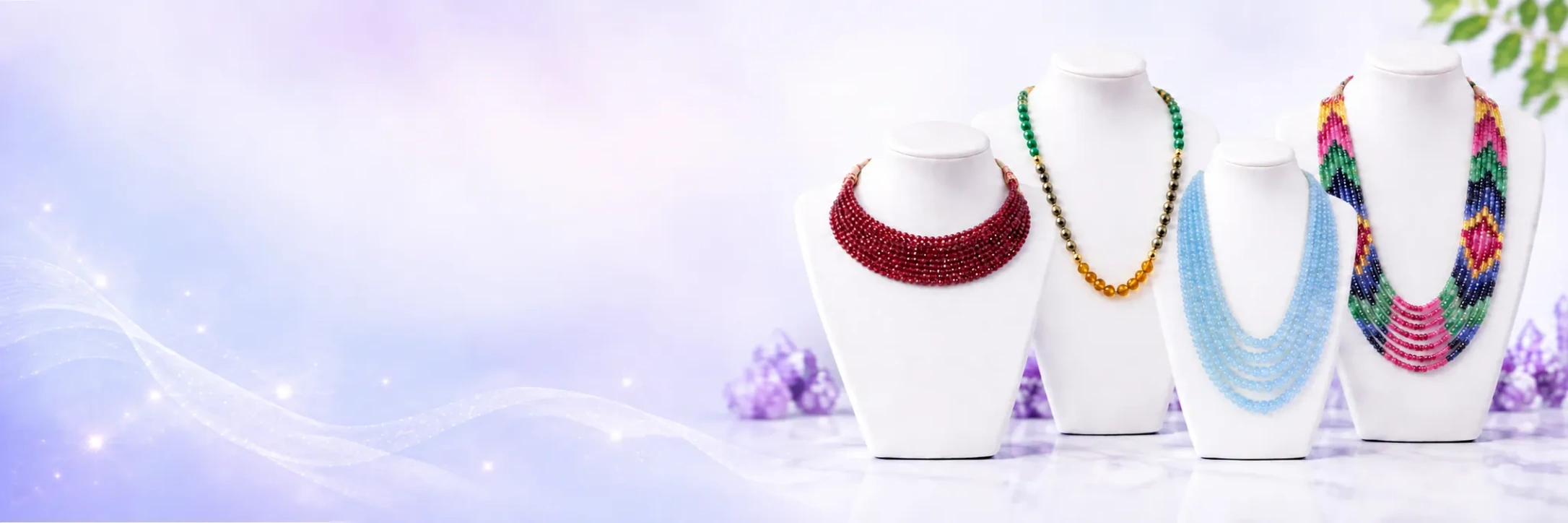
Gemstone
Necklaces
Beautiful gemstone necklaces that bring natural beauty to every look.
Shop Necklaces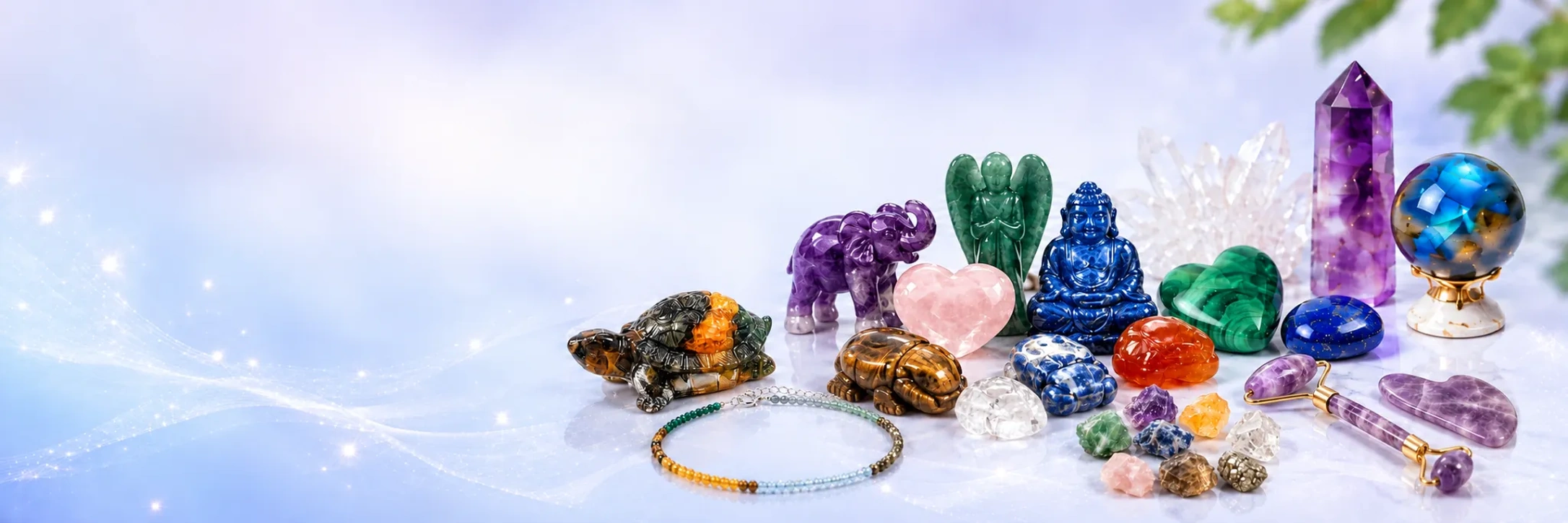
More Gemstone
Products
Explore gemstone carvings, anklets, face rollers and other unique creations.
Explore CollectionGovernment & International Lab Certified
Buy Only 100% Natural Gemstones
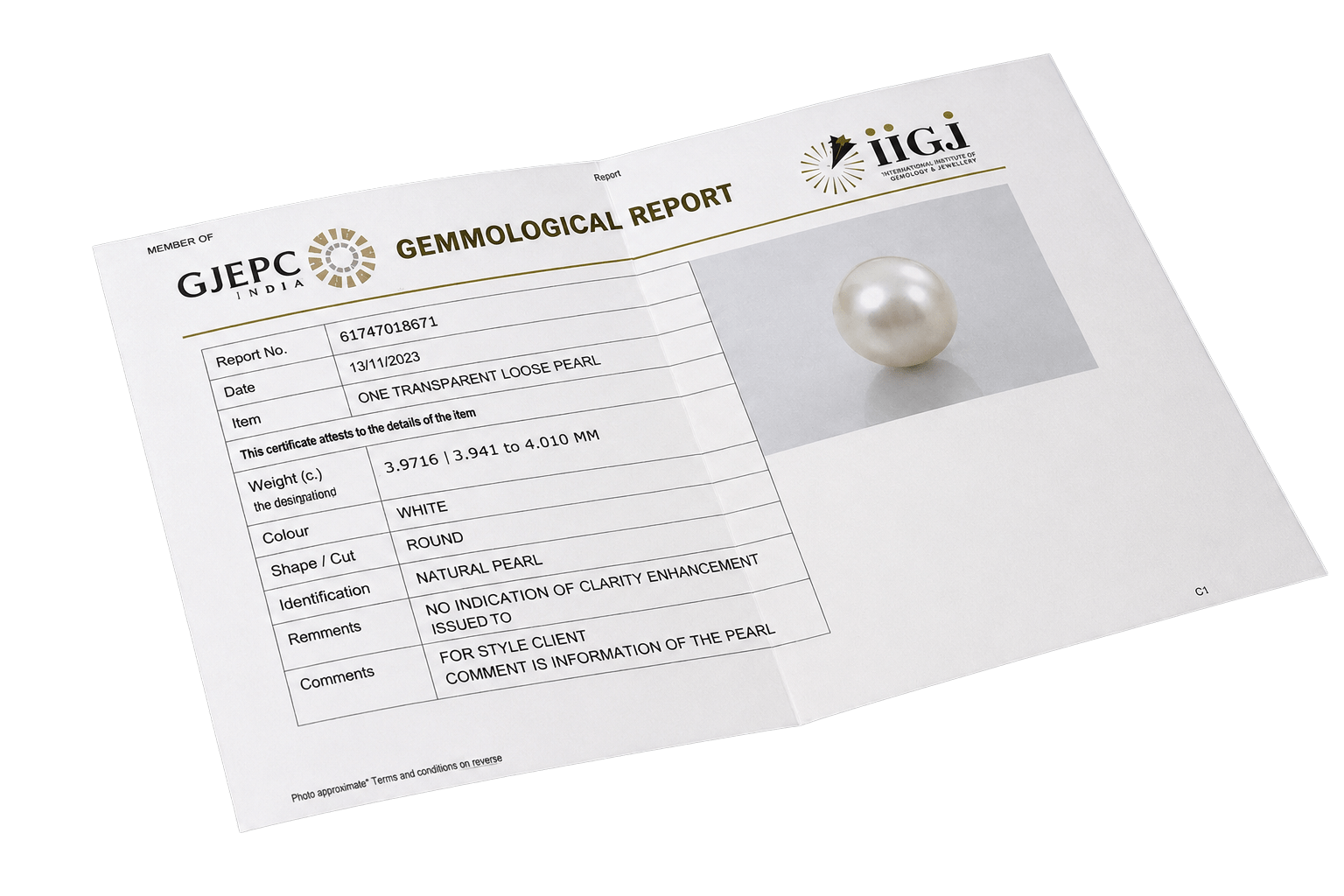

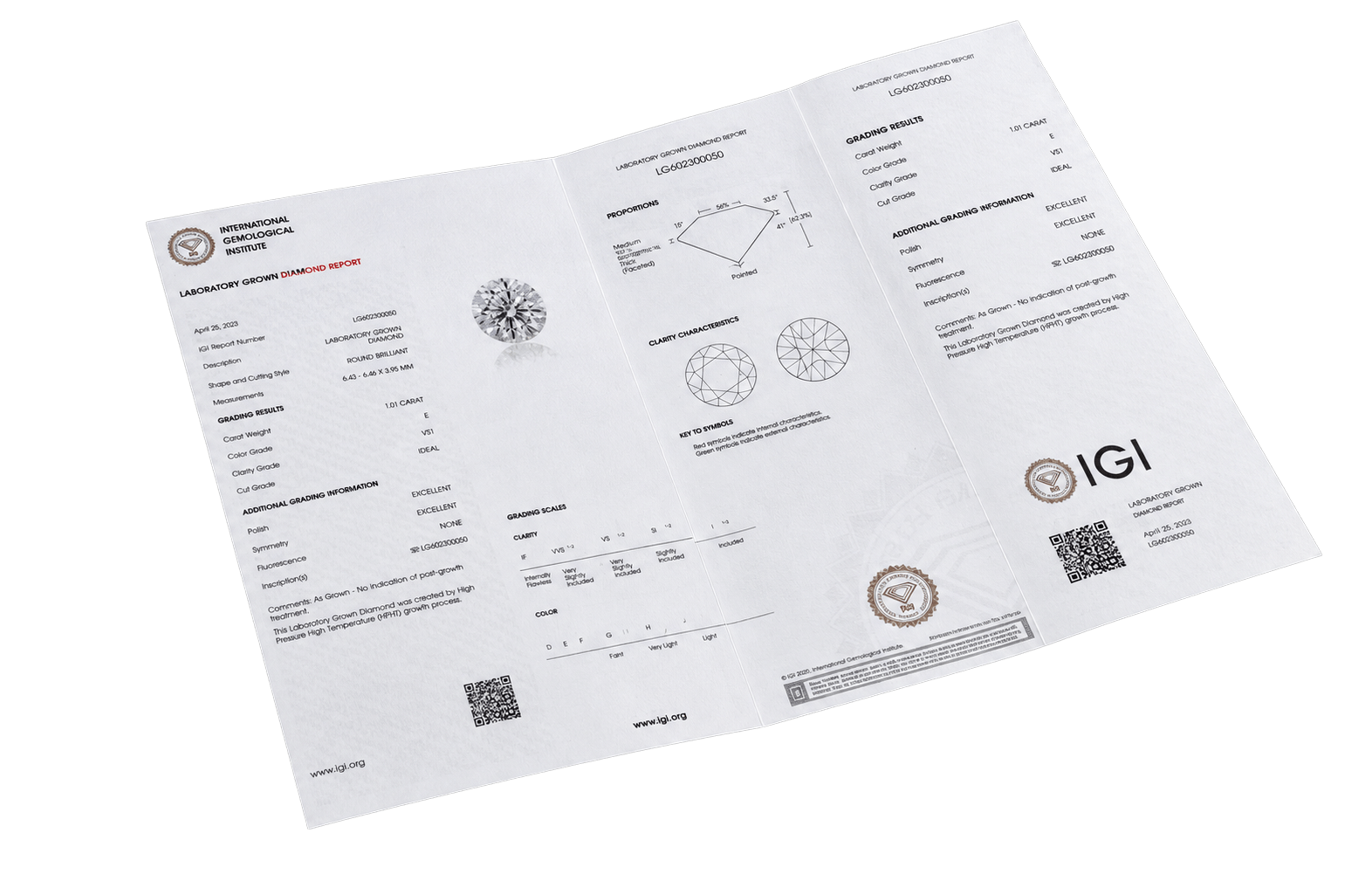
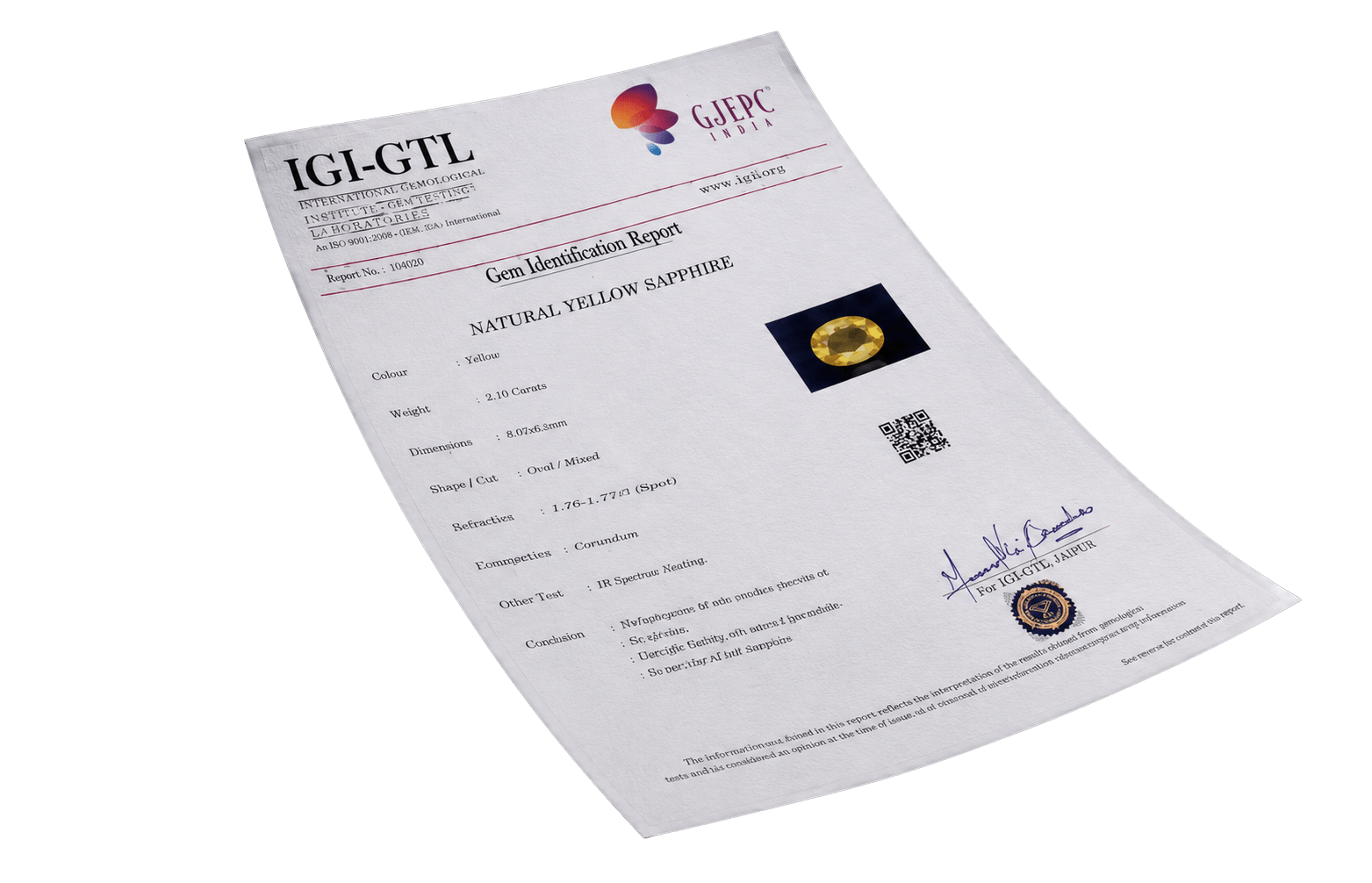
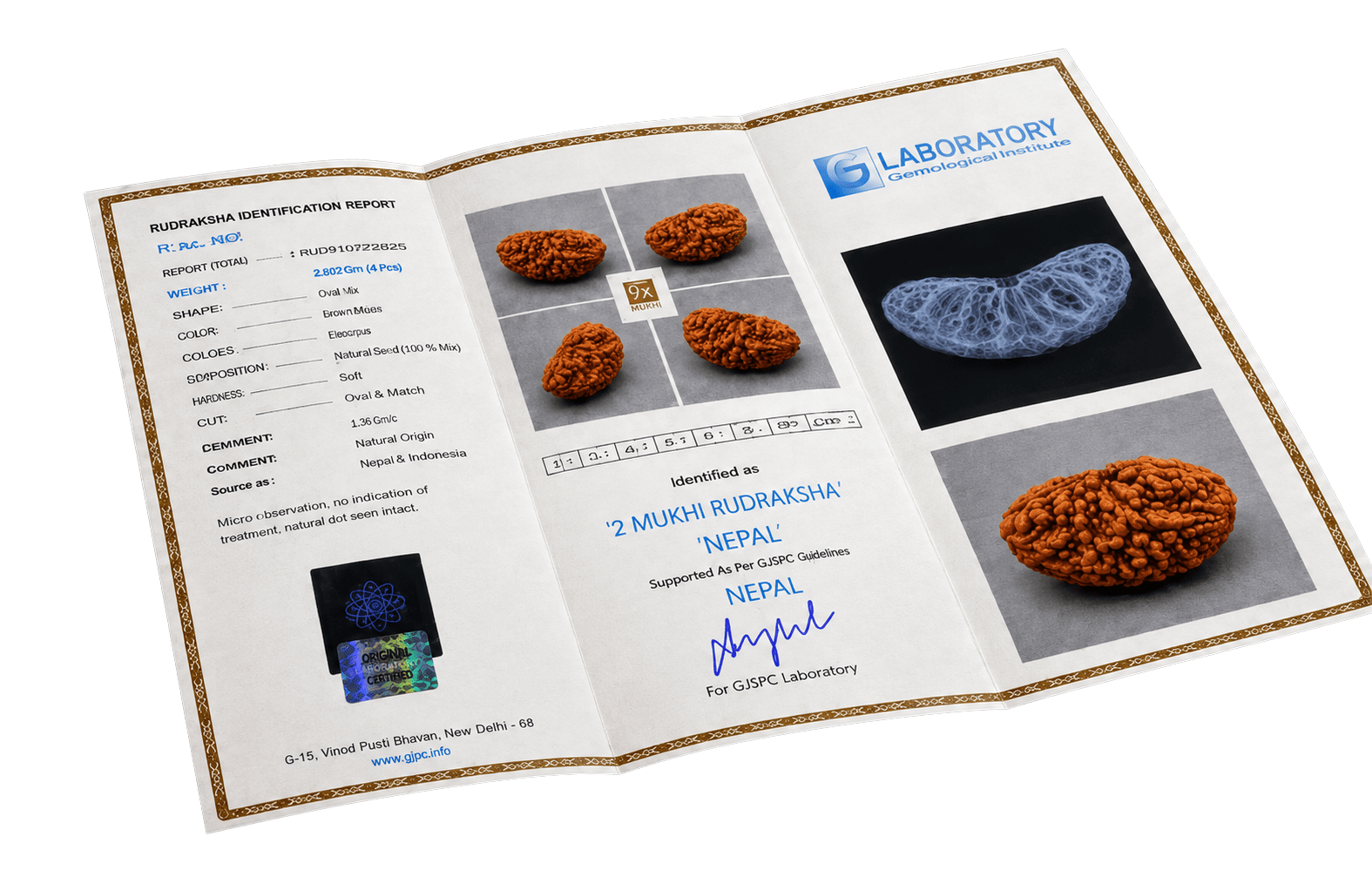
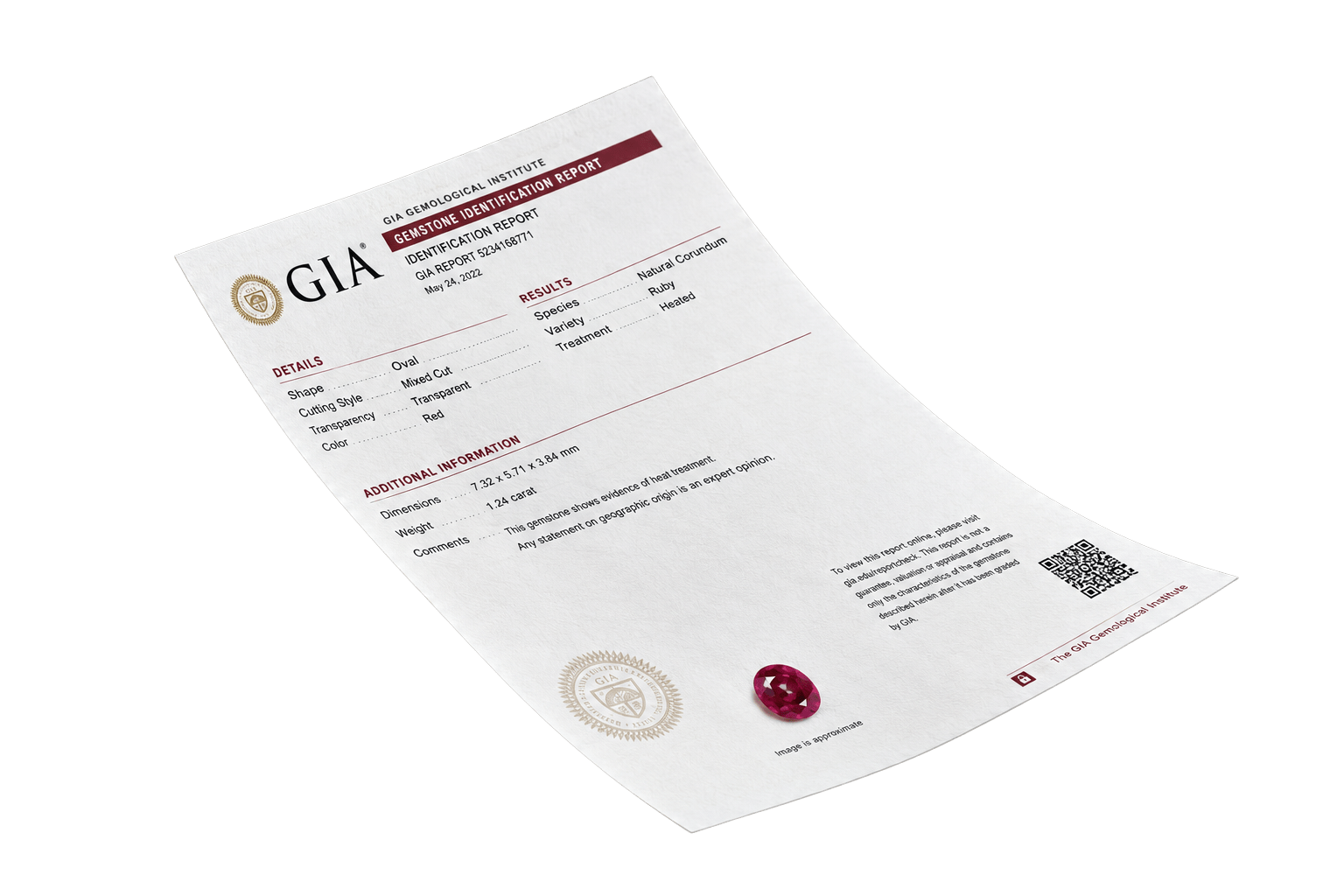
Trusted Certification Laboratories



Trusted by Thousands of Happy Customers
Real experiences from customers who chose Tanishq Gems for quality gemstones, trusted service, and a smooth buying experience.









The Gemstone Knowledge Book
Discover the world of natural gemstones with Sandeep Kapoor and Tanishq Gems. 30 insightful chapters on origins, quality, buying guides and care.

Natural Gemstones vs Synthetic Gemstones
Gemstones have fascinated people for centuries because of their beauty, rarity and natural origins. However, not every gemstone is formed in the Earth.
Natural gemstones are created through geological processes over thousands or even millions of years. Heat, pressure and mineral-rich environments contribute to their formation. Each natural stone develops its own characteristics, including colour variations, inclusions and unique internal patterns.
Synthetic gemstones, on the other hand, are created in laboratories. They can have nearly the same chemical composition, crystal structure and physical properties as their natural counterparts.
The key difference is their origin, not necessarily their appearance. Both can be beautiful, but buyers should understand exactly what they are purchasing.
When buying a gemstone, always ask about its natural or synthetic origin, treatments and available laboratory documentation.
Nature creates every stone differently. That is what makes natural gemstones special.
Lab-Grown Diamonds vs Natural Diamonds
Diamonds are admired for their brilliance, durability and timeless appeal. Today, buyers can choose between natural diamonds and lab-grown diamonds.
Natural diamonds are formed deep within the Earth's mantle under extremely high pressure and temperature. They travel towards the surface through volcanic activity and are eventually discovered through mining.
Lab-grown diamonds are manufactured in controlled laboratory environments using advanced technologies such as HPHT and CVD. They possess essentially the same chemical composition and crystal structure as natural diamonds.
Both types can display exceptional brilliance and hardness. Their main distinction is their origin, rarity and market positioning.
Before purchasing, understand the difference between the two and ensure that the diamond is accurately disclosed and supported by appropriate grading documentation.
The origin of a diamond is an important part of its identity.
Benefits of Wearing Gemstones
Gemstones have been valued across cultures for their beauty, symbolism and traditional associations.
Many people wear gemstones as jewellery because of their attractive colours, natural patterns and timeless appeal. Gemstone rings, pendants and bracelets can also carry personal meaning and become memorable gifts.
In traditional astrology and cultural practices, certain gemstones are associated with particular planets, zodiac signs and symbolic qualities. Some people choose stones based on these beliefs.
It is important to distinguish traditional beliefs from scientifically established facts. There is no conclusive scientific evidence that wearing a gemstone can cure diseases or guarantee wealth, success or specific life outcomes.
The most reliable reasons to appreciate gemstones are their natural beauty, craftsmanship, individuality and personal significance.
Choose a gemstone that you genuinely enjoy wearing and purchase it from a trustworthy source.
A gemstone can be more than jewellery; it can carry a personal story.
How to Identify Genuine Gemstones
Identifying a genuine gemstone requires more than simply looking at its colour or shine. Many imitation materials are designed to resemble natural stones.
Start by checking the seller's description. Ask whether the gemstone is natural, synthetic, imitation or treated. These distinctions are important when understanding its actual value.
Examine the stone for natural characteristics such as inclusions, colour zoning and internal growth patterns. However, remember that these features vary between gemstone varieties and cannot independently prove authenticity.
Professional gemmological testing can examine properties such as refractive index, specific gravity, optical characteristics and internal structure.
For valuable purchases, request a gemstone identification report from a recognised gemmological laboratory. Check that the report details match the gemstone being sold.
Avoid relying on simple scratch, heat or household tests, as they can damage gemstones and produce misleading results.
A genuine gemstone deserves genuine verification.
Which Gemstone Should You Wear According to Your Zodiac Sign?
Gemstones and zodiac signs have a long association in traditional astrology and cultural practices.
Different gemstones are traditionally connected with zodiac signs, planets and symbolic meanings. Some people select their jewellery according to their birth sign, while others prefer birthstones or personal colour preferences.
For example, Aries is traditionally associated with red coral and certain red gemstones. Taurus is commonly linked with emerald, Gemini with agate and Cancer with pearl or moonstone.
Leo is often associated with ruby, Virgo with peridot, Libra with opal and Scorpio with topaz in various modern birthstone traditions.
Sagittarius is commonly connected with turquoise, Capricorn with garnet, Aquarius with amethyst and Pisces with aquamarine.
These associations can vary between astrological systems and traditions. They should be treated as cultural or spiritual beliefs rather than scientifically proven recommendations.
If you are choosing a gemstone for astrological reasons, consult a knowledgeable practitioner and verify the stone's authenticity before purchasing.
Choose with knowledge, appreciate with confidence.
Precious vs Semi-Precious Gemstones
Gemstones are often classified into two traditional categories: precious and semi-precious.
The four traditionally recognised precious gemstones are diamond, ruby, sapphire and emerald. These stones have historically been associated with rarity, beauty and high jewellery.
Semi-precious gemstones include amethyst, citrine, aquamarine, garnet, peridot, tourmaline, topaz and many other varieties.
However, this classification does not mean that every precious gemstone is more valuable than every semi-precious gemstone.
Rarity, colour, clarity, size, origin, treatment, craftsmanship and market demand all influence a gemstone's value. A particularly rare tourmaline or garnet can be more expensive than a lower-quality precious stone.
Rather than judging a gemstone only by its traditional category, understand its individual quality and characteristics.
True gemstone value goes beyond a category or label.
How to Choose the Right Gemstone Bracelet
A gemstone bracelet is a versatile piece of jewellery that combines natural beauty with everyday style.
Start by selecting the gemstone according to your preferred colour, appearance and personal taste. Amethyst offers rich purple shades, amazonite brings refreshing blue-green tones, while hematite is known for its metallic appearance.
Next, consider bead size. Smaller beads can create a subtle and delicate look, while larger beads make a stronger style statement.
Check the quality of the beads, including their polish, consistency, drilling and overall finishing. Natural gemstones may have variations in colour and internal characteristics, which are part of their individuality.
Comfort is equally important. Make sure the bracelet fits your wrist comfortably and that its elastic or clasp is suitable for regular use.
Finally, purchase from a reliable seller who clearly explains the gemstone variety, natural origin and any known treatments.
The right bracelet is one that reflects your style and individuality.
Natural vs Treated Gemstones
Natural gemstones are formed through geological processes, but many undergo treatments to improve their appearance or durability.
Common gemstone treatments include heating, irradiation, oiling, dyeing, fracture filling and surface coating. Some treatments are widely accepted within the gemstone industry when they are properly disclosed.
For example, heating is commonly used to improve the colour or clarity of certain sapphires and rubies. Emeralds may undergo oil or resin treatments to reduce the visibility of fractures.
An untreated gemstone has not undergone the relevant enhancement treatment, although it may still have been cut and polished.
Natural and treated are not opposite terms. A gemstone can be both natural and treated.
Always ask the seller whether a gemstone is natural, what treatments it may have received and whether these treatments are permanent or require special care.
Transparency about treatments builds confidence in every gemstone purchase.
The 4Cs: Diamonds and Coloured Gemstones
The 4Cs are a quality framework originally developed for grading diamonds. They stand for Colour, Clarity, Cut and Carat Weight.
For diamonds, the framework is standardised. Colour refers to how colourless the stone is, clarity to its internal and external features, cut to its proportions and finish, and carat to its weight. One carat equals 0.2 grams.
Coloured gemstones are evaluated differently. Colour is usually the most important factor and is judged by hue, tone and saturation rather than by the absence of colour. Acceptable clarity also varies by variety: aquamarine is usually expected to be very clean, while emerald is expected to show inclusions.
In coloured stones, the cut is often shaped to show colour and preserve weight. Carat weight is not the same as size, because different gemstones have different densities.
Origin, treatments and durability also play a major role in value. Use the 4Cs as a starting point, then consider variety-specific factors and laboratory documentation.
Understanding quality helps you make a more informed purchase.
How to Read a Gemstone Certificate
A gemstone certificate or laboratory report provides important information about the identity and characteristics of a gemstone.
Begin by checking the laboratory name and report number. Reputable laboratories use unique identification numbers that can often be verified through their official websites.
Next, examine the gemstone variety and species. The report should identify whether the stone is a ruby, sapphire, emerald or another gemstone.
Pay attention to the natural or laboratory-grown identification and any treatment information mentioned in the report.
Additional details may include weight, dimensions, shape, colour and optical characteristics.
Some laboratories also provide information about geographic origin, when their testing supports such an opinion. Origin opinions are not always available or definitive.
Remember that a laboratory report is only useful when it genuinely corresponds to the gemstone being purchased. Compare its details carefully with the actual stone.
A certificate helps turn a purchase into an informed decision.
Birthstones and Their Meanings
Birthstones are gemstones traditionally associated with the months of the year. They are popular choices for personal jewellery and meaningful gifts.
January is associated with garnet, February with amethyst, March with aquamarine, and April with diamond.
May is represented by emerald, June by pearl or alexandrite, July by ruby, and August by peridot or spinel.
September is traditionally represented by sapphire, October by opal or tourmaline, November by topaz or citrine, and December by turquoise, zircon or tanzanite.
Different birthstone lists may vary according to historical traditions and modern jewellery associations.
People often choose birthstone jewellery to celebrate birthdays, anniversaries and personal milestones.
A birthstone bracelet, ring or pendant can make a thoughtful gift because it connects a beautiful natural material with a special date.
A birthstone makes every celebration a little more personal.
How Gemstones Are Formed
Gemstones are natural minerals and organic materials that develop through fascinating geological processes.
Many gemstones form deep within the Earth's crust or mantle, where heat, pressure and chemical conditions allow minerals to crystallise over long periods.
Some gemstones develop inside igneous rocks as molten material cools. Others form in metamorphic environments, where existing rocks are transformed by heat and pressure.
Gemstones can also develop in sedimentary environments or within cavities and fractures where mineral-rich water deposits crystals.
For example, emeralds form under specific geological conditions involving beryllium and other elements. Amethyst develops within silica-rich environments and gains its purple colour from trace iron and natural radiation.
Each gemstone variety has its own formation conditions, which contribute to its composition, colour and internal characteristics.
Understanding geological formation helps explain why natural gemstones are so diverse and fascinating.
Every natural gemstone is a small piece of Earth's geological history.
Most Expensive Gemstones in the World
Some gemstones achieve extraordinary prices because of their exceptional rarity, quality, colour and historical importance.
Ruby, particularly exceptional untreated Burmese ruby, is highly sought after by collectors. Fine Kashmir sapphires are famous for their velvety blue colour and rarity.
Colombian emeralds with exceptional colour and clarity can command premium prices. Rare varieties of coloured diamonds, including pink, blue and red diamonds, are also among the world's most valuable gemstones.
Other remarkable examples include alexandrite, Paraiba tourmaline, fine red spinel and exceptional jadeite.
The value of a gemstone is influenced by several factors, including weight, colour, clarity, cut, origin, treatment status and provenance.
Not every gemstone from a particular location is automatically expensive. Individual quality and verified characteristics matter greatly.
For collectors, professional assessment and reliable documentation are essential when evaluating exceptional gemstones.
Rarity, quality and origin can make a gemstone truly extraordinary.
How to Clean and Maintain Gemstone Bracelets
Proper care helps maintain the appearance and longevity of gemstone bracelets.
For many durable gemstones, gentle cleaning with lukewarm water, a mild soap and a soft cloth is sufficient. However, some gemstones are sensitive to moisture, chemicals, heat or sudden temperature changes.
Avoid exposing jewellery to perfumes, hairsprays, household cleaners and harsh detergents. These substances may affect certain gemstone surfaces, treatments or bracelet components.
Store gemstone bracelets separately to prevent harder stones from scratching softer gemstones.
Elastic bracelets should be handled carefully. Avoid stretching them unnecessarily, pulling them while putting them on or wearing them during activities that place excessive strain on the cord.
Some gemstones, such as pearls, opals and certain treated stones, need special care. Ultrasonic cleaners and steam cleaning should not be used unless a qualified professional confirms they are suitable.
When in doubt, consult your gemstone jeweller for stone-specific cleaning advice.
A little care goes a long way in preserving natural beauty.
How to Choose a Genuine Natural Emerald
Emerald is one of the most admired varieties of beryl and is recognised for its beautiful green colour.
When choosing a natural emerald, begin by evaluating its colour. A desirable emerald generally displays an attractive green hue with good saturation and balanced tone.
Clarity is another important factor. Natural emeralds commonly contain internal inclusions, often called jardin, which are part of their natural formation.
Examine the stone for its transparency, polish, cut and overall appearance. Emeralds can also have fractures and may receive treatments such as oiling or resin filling to improve their apparent clarity.
Ask whether the emerald is natural or laboratory-grown and whether any clarity-enhancement treatments have been applied.
For an important purchase, request a report from a reputable gemmological laboratory. Where possible, check the report number and match the documented details to the actual gemstone.
A genuine emerald should be purchased with clear disclosure, proper documentation and confidence in its origin and treatment information.
Choose an emerald for its beauty, understand its quality and verify its authenticity.
Gemstone Cuts and Shapes Explained
A gemstone's cut is both its shape and the quality of its finishing. Both influence how light enters, travels through and leaves the stone.
Faceted cuts such as round brilliant, oval, cushion, pear, emerald and princess use flat polished surfaces called facets to reflect light. Cabochon cuts have a smooth, domed surface and are often used for opaque or translucent stones such as turquoise, moonstone and star sapphires. Beads are drilled and polished spheres or shapes used in bracelets and necklaces.
Jewellers choose a cut to bring out a stone's best qualities. Deeply coloured stones are often cut to balance colour intensity, while stones with distinct crystal shapes may be cut to preserve weight.
A well-proportioned stone appears lively and even in colour. A poorly cut stone may look dull, show a dark or washed-out centre, or lose weight unnecessarily.
When comparing stones, look at symmetry, polish and how evenly light and colour appear across the surface, rather than judging by shape alone.
A good cut lets a gemstone show its best self.
Natural Gemstones vs Imitation Gemstones
An imitation gemstone, also called a simulant, only looks like another stone. It is a different material and does not share the chemical composition or properties of the stone it imitates. Glass, plastic, dyed or coated materials and unrelated minerals are common imitations.
Synthetic gemstones are different. They are man-made but have essentially the same chemistry and structure as the natural stone. Imitations do not.
Imitations can look convincing at a glance, especially in photographs. Differences may appear in weight, temperature to the touch, hardness, internal features such as gas bubbles in glass, or optical behaviour under magnification.
A trustworthy seller will clearly describe a stone as natural, synthetic, treated or imitation, and will not use vague terms in a misleading way.
If a price seems far lower than the usual price for a natural stone of that variety and quality, ask questions and request documentation.
Honest descriptions protect both buyers and sellers.
Heated vs Unheated Gemstones
Heat treatment is one of the oldest and most widely used gemstone enhancements. Stones are heated under controlled conditions to improve their colour or clarity.
Heating is common in sapphire, ruby, aquamarine, tanzanite and many other gemstones. Much of the citrine on the market is produced by heating amethyst. When properly disclosed, heating is generally accepted by the trade, and the improved colour is usually stable under normal wear.
Unheated gemstones with fine colour and clarity are rarer and usually command higher prices, particularly in sapphire and ruby. Laboratories can often identify evidence of heating, and a report may state that there are no indications of heating where appropriate.
Some processes are combined with heating, such as diffusion or glass filling. These are treated differently by the market and require clear disclosure.
Heated is not the same as fake. What matters is disclosure, quality and a fair price.
Disclosure matters more than the word "heated".
Certified vs Non-Certified Gemstones
A certified gemstone comes with a report from a gemmological laboratory describing what the stone is. A non-certified stone is sold on the seller's description alone.
Certification is especially valuable for higher-value stones, where identity, natural or laboratory-grown origin, treatments and sometimes geographic origin affect the price greatly. Reports from established, independent laboratories are generally the most respected.
Certificates do not automatically mean a stone is a bargain, and laboratories differ in what they test and how they report it. Check the laboratory's reputation and verify the report number.
Not every gemstone needs a certificate. For fashion jewellery or lower-value beads, a clear and honest description from a trusted seller may be sufficient.
Decide based on the value of the purchase and your own comfort level.
The higher the value, the more documentation matters.
How to Identify Fake Gemstones
Fake gemstones are not always easy to spot, but certain warning signs can help you ask better questions.
Be cautious of unusually low prices, vague descriptions, missing information about natural or synthetic origin, and pressure to buy immediately.
Perfectly uniform colour with no internal features can suggest glass or a synthetic material, although some natural stones are very clean. Tiny round gas bubbles are a classic sign of glass. A stone that feels very light for its size may be plastic.
Some stones are dyed. Colour concentrating in cracks, or an unnaturally intense shade, can be a clue.
No single home test is reliable. Methods such as scratching or heating can damage a stone and give misleading answers. Only a gemmological laboratory can confirm identity with confidence.
For important purchases, request a report and ask the seller about their return policy.
When in doubt, ask for proof.
Difference Between Real and Fake Rudraksha
Rudraksha beads are the seeds of the Elaeocarpus ganitrus tree, not a mineral gemstone. They are widely used in prayer beads and jewellery and are traditionally valued in Indian spiritual practice.
A genuine bead has natural lines, called mukhis, running from top to bottom, with an irregular, textured surface and a natural opening. Beads with perfectly uniform lines, a plastic-like gloss or a smooth, moulded appearance may be fake or artificially made.
Some sellers carve or glue lines onto beads to create higher mukhi types, which are priced higher. Cut lines that do not follow the natural structure, or visible glue marks, can indicate tampering.
Popular home tests, such as water-floating or copper-coin tests, are unreliable, because genuine beads vary in density and age.
A reliable seller can explain the species, mukhi count and origin, and may offer inspection or laboratory examination, such as X-ray, for valuable beads. Spiritual benefits are a matter of personal belief and are not scientifically established.
A genuine bead is irregular by nature; perfection can be a warning sign.
Understanding Gemstone Colours and Their Value
Colour is the first thing most people notice in a gemstone, and in coloured stones it is usually the biggest factor in value.
Gemmologists describe colour using hue (the basic colour, such as blue or green), tone (how light or dark it is) and saturation (how vivid or dull it is). The most valuable stones typically show a pure, vivid hue with a medium to medium-dark tone and no distracting secondary colours.
Preferences vary between varieties. A vivid, slightly bluish green is prized in emerald, while the finest amethyst shows rich purple with flashes of red or blue.
Colour should look even across the stone when viewed face-up. Zoning or patches can reduce value.
Lighting can change how a stone looks. View it in daylight and in indoor light before buying, and ask whether the colour is natural or enhanced.
Colour tells the first story of a gemstone.
Why Do Natural Gemstones Have Inclusions?
Inclusions are tiny features inside a gemstone, such as crystals, fine needles, feathers or growth patterns. They form as the stone grows in the Earth, trapping minerals, liquid or gas, or through stress and fractures.
Because natural gemstones grow in imperfect conditions, most contain some inclusions. In many cases they help gemmologists identify a stone, separate natural from synthetic and sometimes suggest its origin.
Their effect on value depends on the variety. Emeralds usually show visible inclusions, and very clean ones are exceptionally rare. In contrast, aquamarine is typically expected to be much cleaner.
Inclusions that reduce transparency, threaten durability or are easily visible can lower value. Others, such as the fine needles that create a star effect in some sapphires, can be desirable.
Inclusions are not something to fear, but a feature to understand.
Inclusions are the fingerprints of nature.
Gemstone Origin and Its Importance
Origin means the country or region where a gemstone was mined. For some gemstones, origin can influence desirability and price.
Burmese rubies, Kashmir sapphires and Colombian emeralds are famous examples, and collectors may pay premiums for fine stones from these sources.
However, origin is not a guarantee of quality. A stone from a famous location can still be of average quality, and a stone from elsewhere can be excellent.
Determining origin requires laboratory analysis, and a laboratory may give an opinion rather than an absolute conclusion. Not every stone can be confidently assigned to a source.
Provenance (ownership history) and responsible sourcing are also increasingly important to buyers.
Ask your seller what is known about a stone's origin and whether documentation supports it.
Origin adds a story, but quality still decides the stone.
How to Select Gemstone Bead Sizes
Bead size is measured in millimetres and changes the whole look of a bracelet.
Common bracelet sizes range from about 6 mm to 10 mm. Beads of 6 to 8 mm give a delicate, everyday look, while 8 to 10 mm beads create a bolder presence.
Wrist size matters. A slender wrist often suits smaller beads, while larger beads can look balanced on a broader wrist. The number of beads changes with size, so check that the bracelet fits comfortably.
To find your size, measure your wrist with a soft tape, then add about 1 to 2 cm for a comfortable fit with a stretch bracelet.
Also consider weight. Larger gemstone beads are heavier, which may not be comfortable for all-day wear.
Ask the seller for the exact bead size and bracelet length before you buy.
The best size is the one that feels as good as it looks.
Which Gemstones Are Suitable for Daily Wear?
For jewellery worn every day, durability matters as much as beauty. A good daily-wear gemstone resists scratches and knocks.
Hard, tough stones such as sapphire, ruby, diamond and many quartz varieties, including amethyst and citrine, are popular for regular wear. Garnet, spinel and topaz are also well suited, although topaz can chip if struck because it can split along certain directions.
Softer or more delicate stones such as pearl, opal and turquoise need extra care. Emerald is fairly hard but often contains fractures, which makes it more vulnerable to knocks.
Setting and style matter too. Bracelets are exposed to knocks, so quality construction and protective styles help.
Remove jewellery during sports, cleaning, gardening and swimming, and apply perfume before putting jewellery on.
Choose a stone that suits your lifestyle.
Gemstone Hardness and Durability Explained
Hardness describes how well a gemstone resists scratching. It is commonly measured on the Mohs scale, which runs from 1 (talc) to 10 (diamond).
Some examples: diamond is 10, ruby and sapphire are 9, topaz is 8, emerald is about 7.5 to 8, quartz varieties such as amethyst and citrine are about 7, opal is about 5.5 to 6.5 and pearl is about 2.5 to 4.5.
Hardness is not the only factor. Toughness describes resistance to chipping or breaking, and stability describes resistance to light, heat and chemicals. Diamond is the hardest gemstone but can still chip or split along certain directions.
The Mohs scale is not evenly spaced; the real difference between steps grows towards the top of the scale.
A softer stone can still be worn with care. Protect it from knocks and from abrasion by everyday dust, which contains tiny quartz particles.
Hard does not mean unbreakable.
How to Store and Protect Precious Gemstones
Good storage protects gemstones from scratches, chips and environmental damage.
Keep each piece separately in a soft pouch or a fabric-lined compartment so that harder stones do not scratch softer ones.
Avoid prolonged exposure to direct sunlight and heat, which can fade the colour of some stones. Pearls and opals should also be kept away from extreme heat and dryness.
Store jewellery away from cosmetics, perfumes and cleaning chemicals.
Keep valuable stones together with their certificates and invoices, and take photographs for your records. Consider insurance for high-value pieces.
Check settings and elastic cords from time to time, and have them serviced by a professional when needed.
Protect today what you want to treasure tomorrow.
Natural Alexandrite and Its Colour-Changing Property
Alexandrite is a rare variety of chrysoberyl famous for its colour change. In daylight or fluorescent light, fine stones appear green to bluish green, while under warm incandescent light they appear red to purplish red.
The effect is caused by chromium in the crystal, which absorbs light in a way that makes the colour depend on the light source. Alexandrite was first reported in Russia's Ural Mountains in the 19th century, and is now also found in places such as Brazil, Sri Lanka and parts of Africa.
Natural alexandrite with a strong colour change and good clarity is very rare and valuable. Many stones sold as "alexandrite" are synthetic or simulants, such as lab-created colour-change corundum, which is a different mineral.
Always request a gemmological report that identifies the stone as natural chrysoberyl and notes its colour change.
Evaluate the colour change in both daylight and warm indoor light.
One stone, two colours: that is the magic of alexandrite.
How to Buy Gemstones Online Safely
Buying gemstones online can be convenient, but it needs extra care because you cannot hold the stone before you buy.
Choose sellers with a clear business identity, contact details, genuine reviews and a published return policy. A physical showroom or verifiable address adds confidence.
Read the listing carefully: gemstone variety, natural or synthetic, treatments, size, weight and origin where known. Look for clear photographs in natural light, ask for a video, and request extra images if needed.
For valuable stones, ask for a report from a recognised laboratory and verify the report number.
Compare prices, but be wary of deals that seem too good to be true. Use secure payment methods and keep your invoices.
Ask about packaging, insurance during shipping and what happens if the item is not as described. A trustworthy seller will gladly answer your questions.
A trusted seller welcomes your questions.
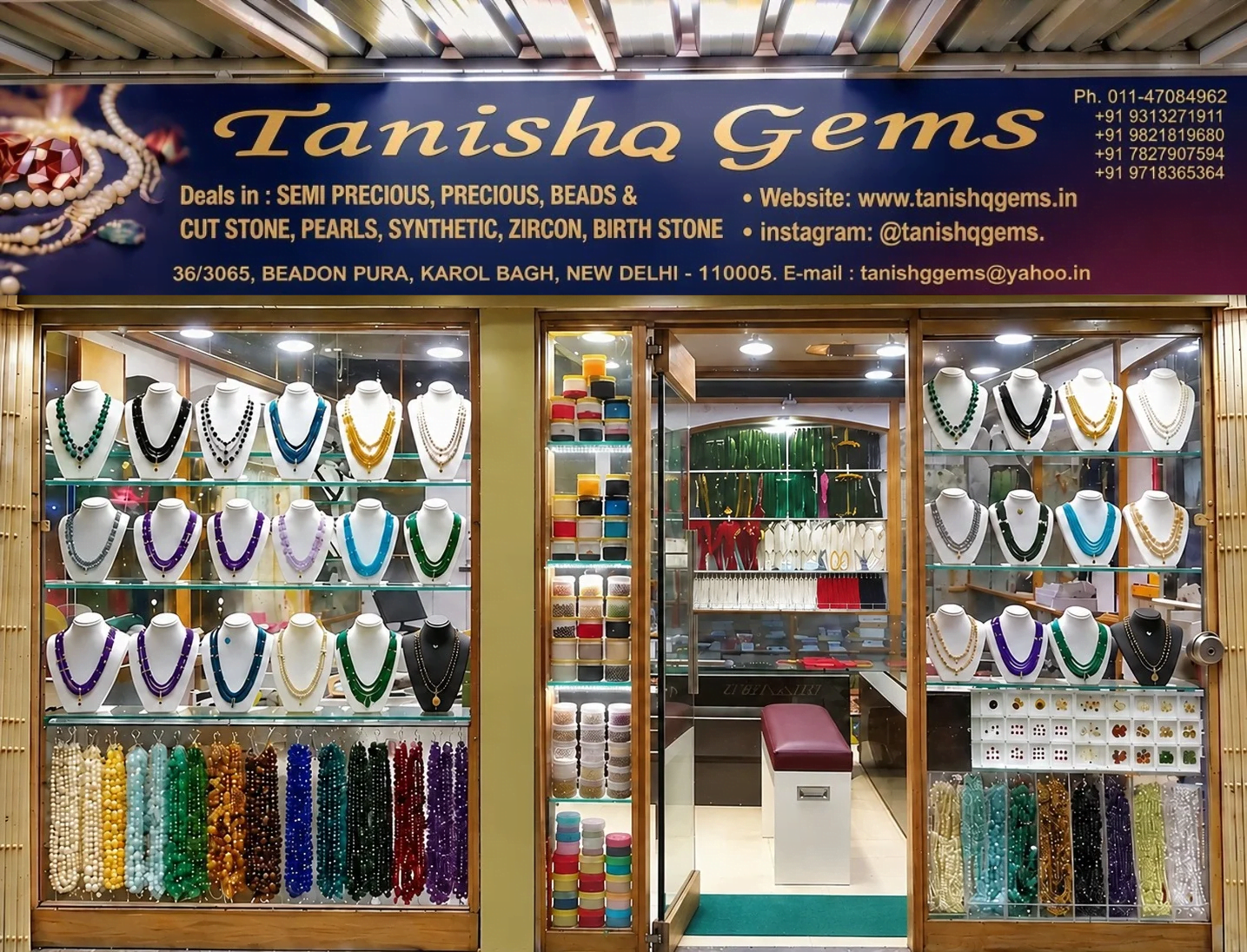
Tanishq Gems Showroom
Where Nature Meets Elegance. Explore exquisite natural gemstones, handcrafted bracelets, authentic Rudraksha, and unique gemstone jewellery at Tanishq Gems — your trusted destination for gemstones since 1992.
Gemstones
Collection
1992
Nature's Treasures • Crafted for You
Authentic Gemstones
Timeless Beauty
36/3065, Beadon Pura, Karol Bagh,
New Delhi – 110005
Please contact us for current opening hours.